Resources
A collection of key references we keep coming back to in our work.
Thank you! Your submission has been received!
Oops! Something went wrong while submitting the form.
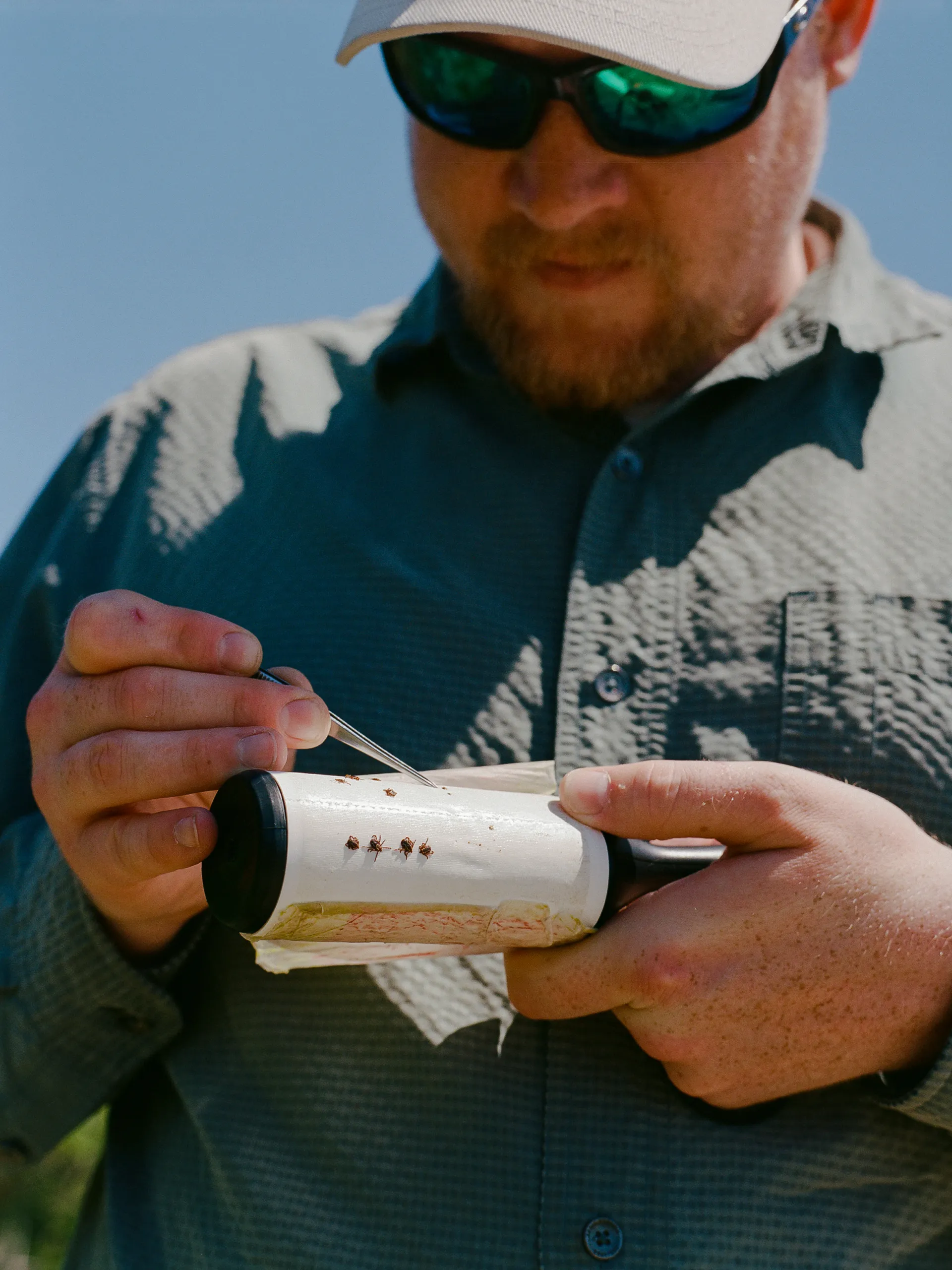
The Newyorker: The Tick That Hunts Down Its Hosts—Including Us
A sweeping long-form feature tracing the global spread of alpha-gal syndrome, centered on Martha's Vineyard and featuring Patrick Roden-Reynolds, Lea Hamner, and Virginia Barbatti. Staff writer Burkhard Bilger also travels to Missouri to document the syndrome's devastating toll on farming families, situating the Vineyard as both ground zero and a potential testing ground for solutions. Published in the July 6 & 13 print issue as "The Great Infestation."

The MV Times: Gov. Healey Backs Island Leaders on Tick Mitigation
Additional coverage of the West Tisbury tick roundtable, with fuller context on the economic stakes, the Wampanoag Tribe's concerns about chemical treatments, and striking data from Lea Hamner — including 300 new alpha-gal cases in just three months and 200 new Lyme cases since January.

The Vineyard Gazette: Governor Pledges Support in Fight Against Ticks
Governor Healey joins Island leaders at a West Tisbury roundtable to discuss state funding and action on deer management, alpha-gal data collection, and tick bite prevention on Martha's Vineyard.

The Vineyard Gazette: Tick Free MV Proposes New Plan to Thin Out Deer Herd
Tick Free MV announces a concrete goal of reducing the island's deer population by 70 percent, using expanded hunting seasons and state deer damage permits to enable year-round harvesting.

NPR: Morning Edition - Tick Season is Getting Worse. Can Managing Deer Help?
A national look at the link between deer populations and rising tick-borne illness, featuring Virginia Barbatti and Lea Hamner, with an overview of population-level solutions being explored.

NPR: All Things Considered -"Ticks Surge in the Northeast"
A radio segment on rising tick activity across the Northeast, featuring Virginia Barbatti and Lea Hamner on Martha's Vineyard's lone star tick and alpha-gal crisis, alongside expert prevention tips and a look at emerging solutions.

Tick Free NH: Create a Tick-Free Yard
A practical guide to reducing tick habitat on residential properties through landscaping, integrated tick management, and targeted treatments. Covers mowing and brush clearing, wood chip barriers, tick tubes, perimeter spraying, and biological controls — with links to additional resources for property owners looking to balance tick reduction with pollinator protection.
BioDiversityWorks: Tick Study Property Enrollment 2026
A sign-up form for Martha's Vineyard property owners whose yards are treated with essential oil or organic tick spray. Enrolling allows BiodiversityWorks researchers to collect before-and-after data on treatment effectiveness and ecological impacts — a study designed to fill a critical gap in what is known about this widely used class of tick treatments on the island.
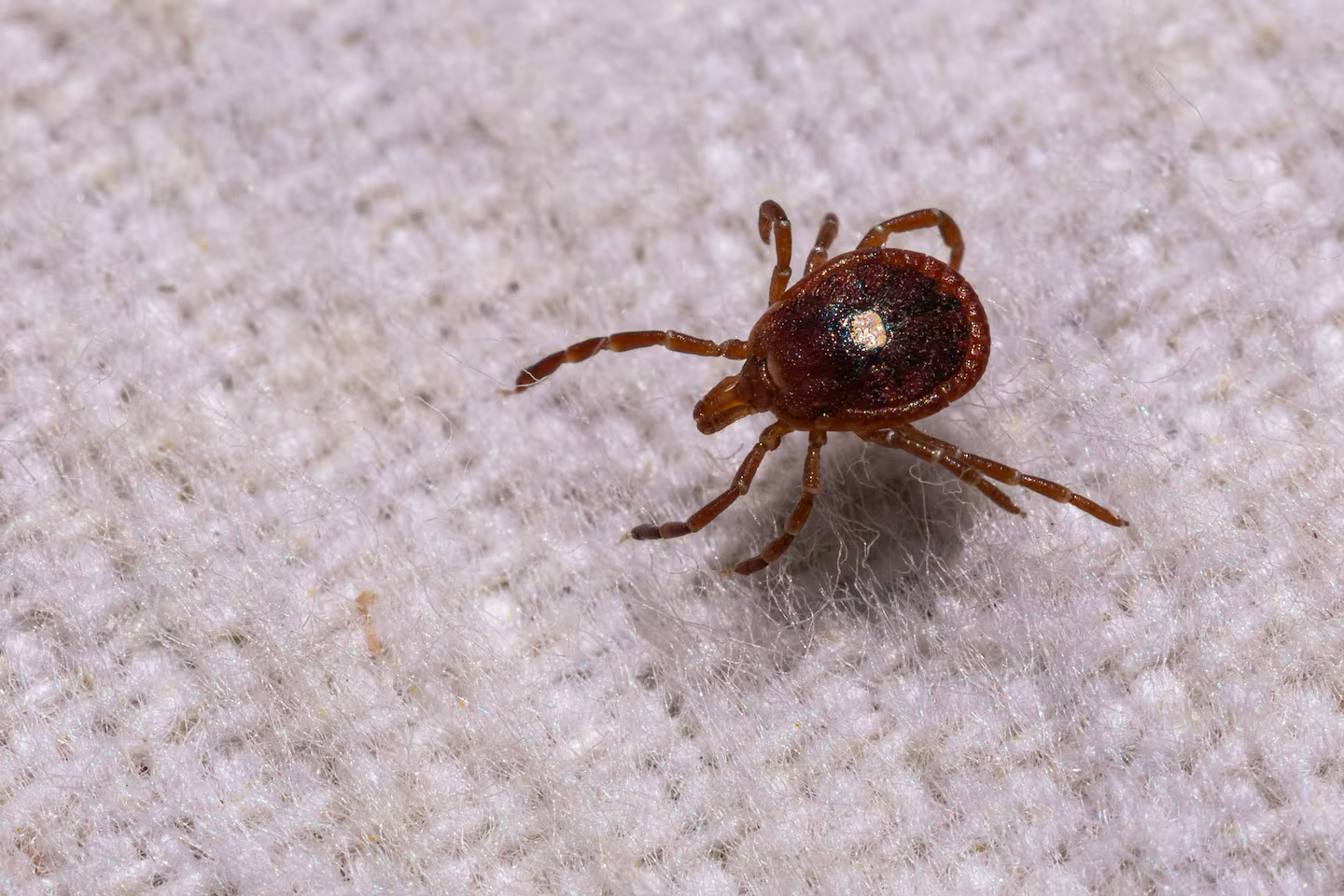
Boston Globe: Ticks are everywhere. Here’s how to stop them.
A practical, expert-driven guide to tick bite prevention covering clothing choices, permethrin treatment, skin repellents, lawn care, and pet safety. Features guidance from researchers at Tufts, UMass, and the University of Rhode Island — a useful reference for anyone spending time outdoors this summer.
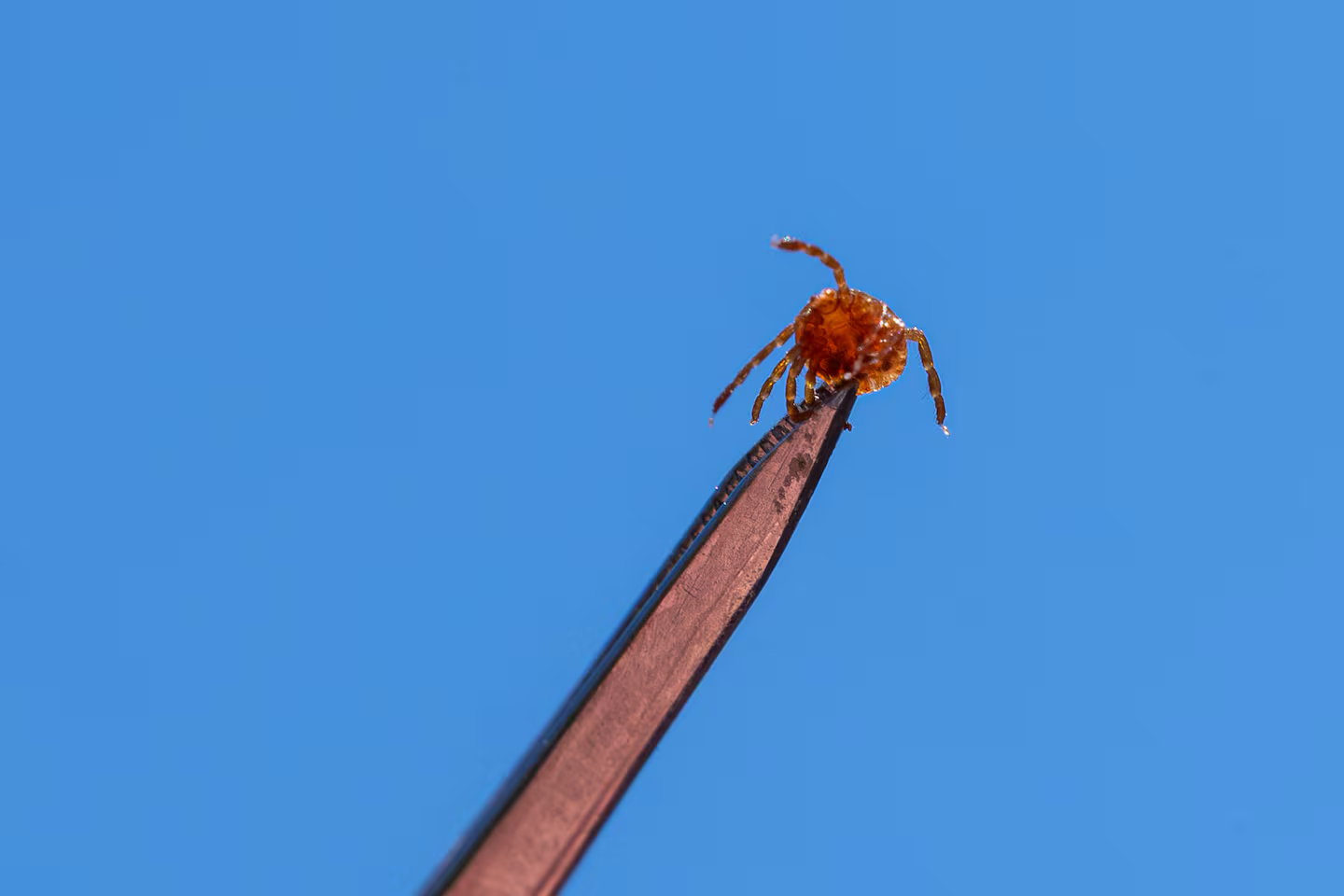
Boston Globe: What to know about alpha-gal syndrome, the life-threatening meat allergy caused by tick bites
A comprehensive explainer on alpha-gal syndrome covering what causes it, why cases are rising, which foods to avoid, how long it lasts, and what treatments are available