Resources
A collection of key references we keep coming back to in our work.
Thank you! Your submission has been received!
Oops! Something went wrong while submitting the form.

TickSpotters at University of Rhode Island
Send in a photo of your tick to TickSpotters at University of Rhode Island. They will identify the tick for free and provide information about the risk from the bite.

Martha's Vineyard Magazine: An Island Epidemic
The Martha’s Vineyard Magazine article “An Island Epidemic” describes the rise of lone star ticks on Martha’s Vineyard and the growing number of alpha-gal syndrome cases linked to tick bites. It highlights how this tick-borne red meat allergy is increasingly affecting residents and reshaping awareness of tick-borne disease on the Island.

The Scientist: The Alpha-Gal Syndrome Story: How Researchers Traced a Red-Meat Allergy to Ticks
Learn the story of how alpha-gal syndrome was discovered and how an allergy epidemic evolved on Martha's Vineyard.
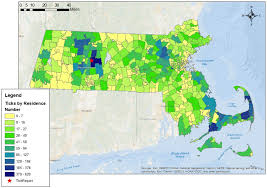
Tick Report's Data
Data from TickReport's tick test lab showing the infection rates of deer ticks by county in Massachusetts 2015-2019
MV Tick Program - Tick Ecology and Tick-borne Diseases
Martha's Vineyard Tick Program's biologist and epidemiologist have hosted Tick Talks with the Vineyard Haven Library reviewing tick ecology, infectious diseases, allergy, and how to prevent bites.
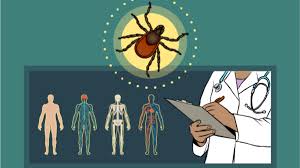
The CDC's Tick Management Handbook
Tick management handbook : an integrated guide for homeowners, pest control operators, and public health officials for the prevention of tick-associated disease
Deer Management Options in the Northeast
The New Jersey Division of Fish and Wildlife explains that deer management is used to control overabundant populations that can damage habitats, agriculture, and contribute to vehicle collisions. It highlights regulated hunting and other control methods as key tools for maintaining ecological balance and reducing these impacts
MassWildlife Listening Session - Modernizing Hunting Laws
The Massachusetts Division of Fisheries and Wildlife explains that modernizing hunting laws is intended to improve wildlife management, conservation funding, and public access to outdoor recreation. The document notes that regulated hunting helps control wildlife populations and reduce negative impacts such as habitat degradation, agricultural damage, vehicle collisions, and increased risk of human-wildlife conflicts and tick-borne diseases.

Patch: ER Visits For Tick Bites At Highest Level In A Decade: What To Know In MA
Emergency room visits for tick bites in Massachusetts have reached their highest level in nearly a decade, reflecting a broader regional increase. The article highlights the growing risk of tick exposure and emphasizes prevention measures such as repellents, protective clothing, and tick checks after outdoor activity.

Blue Dot: Restoring Balance, Tick Free MV Gets to Work
Bluedot Living highlights efforts on Martha’s Vineyard focused on reducing tick populations and limiting human exposure through coordinated, community-based action. The piece describes local initiatives that emphasize habitat management, public education, and practical prevention strategies to help create a more “tick-free” environment across the Island.